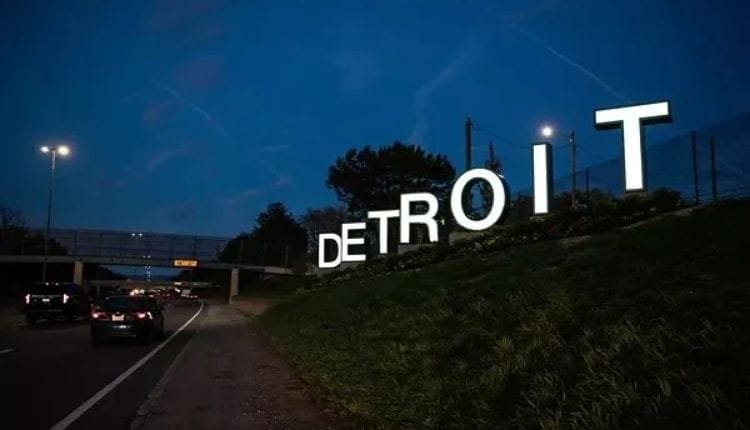
Detroit Sign I 94 – What Drivers Should Know
I-94 is one of the busiest interstates in the Midwest, connecting major cities, suburbs, commercial zones and industrial areas. The iconic signage on Detroit’s I-94 is more than just an orientation guide—it represents the region’s history, transportation development, safety systems, and identity. Understanding what the Detroit sign I 94 means and how it helps drivers make travel smoother and stress-free.
Significance of Detroit I-94
Detroit is known for its complex network of roads, highways and motorways. Between them, I-94 serves as a major east-west corridor that connects Detroit with Chicago on one side and Port Huron on the other. The Detroit sign I 94 is strategically placed to help drivers navigate exits, interchanges, nearby city routes and landmarks. For new visitors and daily commuters alike, these highway signs reduce confusion and contribute to safer travel.
Detroit’s I-94 signage also reflects the city’s traffic growth. As Detroit expanded due to the auto industry, new motorways were built, and I-94 became the mobility backbone of the region. Today, these brands guide millions of vehicles a year, making them essential parts of urban infrastructure.
How Detroit Sign I 94 Helps Drivers
The Detroit sign I 94 offers clear instructions for entering, exiting and staying in the correct lane. On a busy highway, even a small confusion can lead to missing an exit or a dangerous lane change. Good signage ensures smooth traffic by providing timely warnings and direction updates.
Drivers use the Detroit I 94 sign to find important exits such as downtowns, hospitals, airports, major intersections, and suburban areas. For example, travellers heading to Detroit Metropolitan Airport rely on accurate signage on I-94 to ensure they reach the correct terminal. Likewise, commuters into downtown Detroit follow the signs to safely cross the connecting motorways.
The historical context behind the Detroit I 94 badge
The origins of the Detroit sign I 94 brand can be traced back to the establishment of the interstate highway system in the 1950s. Detroit, which was the heart of the American automobile boom, required a strong and efficient highway network. I-94 became one of the first completed interstate routes in Michigan.
Over time, signage along I-94 has evolved to meet modern standards. The use of reflective materials, clearer typography, and colour-coded symbols ensures that brands remain visible day and night. Detroit’s I-94 sign reflects decades of road safety improvements and traffic engineering.
Detroit sign I 94 emblem design and visibility
Signage design is a critical part of road safety. The Detroit sign I 94 follows national guidelines for font size, colour contrast, height and placement. The standard green background with a white reflective inscription enables the inscription to be easily read even from a distance.
Visibility is especially important along I-94 due to the high volume of traffic. Weather conditions in Michigan – snow, fog, rain, and darkness – can reduce visibility. Clear markings reduce risks in such conditions. Detroit’s I-94 sign is also placed on overhead structures and roadside poles for maximum visibility for all drivers.
Detroit Sign I-94 and Traffic Safety
Traffic authorities monitor the I-94 corridor around the clock to ensure that road markings are in top condition. Detroit’s I-94 sign plays a role in accident prevention by offering directions well in advance. When drivers know where they are going, they can maintain lane discipline, avoid sudden braking and reduce congestion.
In areas undergoing construction or maintenance, temporary signs often accompany Detroit sign I 94 to help drivers navigate detours. This ensures safety for both passengers and construction workers. Updated highway signs contribute to smoother driving and fewer traffic-related delays.
Landmarks associated with the Detroit emblem I-94
The Detroit sign I 94 directs drivers to many popular destinations. Some of the attractions accessible via I-94 include downtown Detroit, Ford Field, Little Caesars Arena, the Detroit Riverfront, and various museums. For tourists, properly following Detroit’s I-94 sign makes getting around the city easy.
Additionally, the interstate passes close to major suburban areas such as Dearborn, Romulus, and Harper Woods. Signs help identify the correct exits and routes to get to these locations without confusion.
Why the Detroit sign I 94 is important for logistics and trade
Detroit is home to many industries, particularly automotive manufacturing, shipping, warehousing, and retail. I-94 is a key transportation route for trucks. Clear labeling ensures the timely delivery of goods and the efficient transportation of raw materials. Detroit sign I 94 supports logistics companies by helping drivers identify important intersections and industrial access roads.
The interstate also connects to the Ambassador Bridge and the Blue Water Bridge, two major trade gateways between the United States and Canada. For the international transport of goods, proper marking is even more important.
Common problems drivers face without a Detroit I 94 badge
When signage is outdated, damaged or missing, drivers can face confusion that leads to dangerous situations. Incorrect lane selection, late departures and sudden changes in speed increase the risk. The Detroit sign I 94 sign solves these problems by providing accurate and timely information.
In some cases, road construction can temporarily change traffic patterns. Updated signs help drivers navigate the new routes safely. Without such guidance, travel on one of Michigan’s busiest highways would be significantly more difficult.
Future improvements for Detroit Sign I-94
As transportation technology evolves, Michigan highway authorities continue to upgrade signage. Digital notice boards, LED guidance systems and real-time traffic warnings are becoming more common. Future versions of Detroit’s I 94 sign may feature smart road technology that communicates with vehicles for better navigation.
The aim of these improvements is to reduce traffic congestion, improve road safety and support automated driving systems. As Detroit moves toward a more modern transportation environment, signage along I-94 will continue to evolve.
Conclusion
Detroit sign I 94 is an essential part of the city’s transportation system. It helps drivers navigate safely, find important destinations and navigate one of Michigan’s busiest highways. From historical developments to modern improvements, signage plays a vital role in the region’s mobility. For daily commuters, tourists and commercial drivers, the Detroit brand I 94 ensures clarity, safety and comfort throughout their journey.
FAQs
1. What is the Detroit sign on I-94?
It refers to the highway signage along Interstate 94 in Detroit, which guides drivers across exits, lanes, and major city routes.
2. Why is the Detroit I-94 sign important?
It helps prevent confusion, enhances safety, and ensures smooth travel along a busy interstate.
3. Does the Detroit I-94 sign help tourists?
Yes, it directs tourists to major landmarks, downtown Detroit, and nearby suburbs.
4. Is the Detroit I-94 sign updated regularly?
Michigan transportation authorities maintain and update the signs to meet modern safety standards.
5. Does I-94 connect to major trade routes?
Yes, it links to major bridges connecting the United States and Canada, making it important for logistics and commercial transportation.




Post Comment
You must be logged in to post a comment.